Explore the Wild: Ultimate 3 Day Masai Mara Safari from Nairobi
Are you wondering if it’s possible to soak in the splendors of Masai Mara with just a 3-day break from Nairobi? This guide takes you through a 3-day Masai Mara safari from Nairobi that packs unparalleled wildlife, breathtaking landscapes, and a glimpse of Maasai culture in one place. Dive straight into what each day entails, the ease of transportation, and the rich tapestry of experiences on offer, ensuring you maximize every moment of your journey.
How to Book Our 3 Day Masai Mara Safari from Nairobi
For booking, inquiries, or questions, please contact us at [email protected] or [email protected] or WhatsApp/Call +254-748-258-880.
Our Most Booked and Popular Holidays & Trips
| Our Popular Packages | See the Detailed Itinerary | Safari Price/Quote |
| 6-Day Amboseli, L. Naivasha, & Masai Mara Safari | View the Itinerary | From USD 1950 |
| 6-Day Amboseli, Lake Nakuru, and Masai Mara Safari | View the Itinerary | From USD 1665 |
| 6-Day Hell’s Gate, Lake Naivasha, Lake Nakuru, & Masai Mara Safari | View the Itinerary | From USD 1745 |
| 6-Day Hell’s Gate, L. Nakuru, & Masai Mara Safari | View the Itinerary | From USD 2050 |
| 6-Day Nairobi & Masai Mara Family Safari | View the Itinerary | From USD 2500 |
| 6-Day Nairobi, L. Nakuru, & Masai Mara Safari | View the Itinerary | From USD 2870 |
| 7-Day Amboseli, Hell’s Gate, L Naivasha, & Masai Mara Safari | View the Itinerary | From USD 1945 |
| 7-Day Amboseli, L. Nakuru, & Masai Mara Safari | View the Itinerary | From USD 1800 |
| 7-Day Amboseli, Naivasha, Hell’s Gate, and Masai Mara Safari | View the Itinerary | From USD 2395 |
| 8-Day Masai Mara, L. Nakuru, & Diani Safari | View the Itinerary | From USD 1778 |
| 8-Day Honeymoon Safari in Kenya | View the Itinerary | From USD 2309 |
| 9-Day Helicopter Tour Safari in Kenya | View the Itinerary | From USD 9068 |
| 10-Day Classic Safari in Kenya | View the Itinerary | From USD 3990 |
| 10-Day Kenya Wildlife Safari | View the Itinerary | From USD 3890 |
| 12-Day Safari in Kenya | View the Itinerary | From USD 4050 |
| 18-Day Safari in Kenya | View the Itinerary | From USD 7800 |
| 3-Day African Safari in Kenya | View the Itinerary | From USD 1600 |
| 3-Day Masai Mara Budget Safari | View the Itinerary | From USD 1705 |
| 3-Day Masai Mara Safari | View the Itinerary | From USD 1405 |
| 4-Day Ashnil Mara Camp Safari | View the Itinerary | From USD 1800 |
| 4-Day Lake Nakuru & Masai Mara Safari | View the Itinerary | From USD 1769 |
| 4-Day Mara Serena Safari Lodge Trip | View the Itinerary | From USD 1690 |
| 4-Day Masai Mara Flying Safari | View the Itinerary | From USD 2050 |
| 4-Day Masai Mara Group Safari | View the Itinerary | From USD 1500 |
| 4-Day Masai Mara Migration Safari | View the Itinerary | From USD 1890 |
| 5-Day Naivasha & Masai Mara Group Safari | View the Itinerary | From USD 1780 |
Masai Mara 3 Days Safari Photos & Images
Key Takeaways
- The 3-Day Masai Mara Safari from Nairobi offers an immersive wildlife viewing experience, including scenic drives, comfortable accommodations, and encounters with Africa’s iconic animals like the Big Five.
- Accommodation options within the Masai Mara National Reserve cater to various budgets and preferences, offering everything from budget tented camps & lodges to luxury accommodation, with many focusing on sustainability and local culture.
- Key safari highlights include experiencing the Great Migration, cultural exchanges with the Maasai people, and personalized safari tour itineraries that can include private guides, 4×4 vehicles, and hot air balloon rides.
Experience the Magic: 3-Day Masai Mara Safari Itinerary
Your 3 days Masai Mara safari packages include:
- A scenic road safari from Nairobi to the Masai Mara National Reserve
- Comfortable accommodation in Maasai Mara National Reserve
- An unforgettable adventure in the wilderness of Masai Mara Reserve
- A well-planned 3 days Masai Mara National Park safari tour itinerary
Over the next three days, you’ll be immersed in the rhythm of the African bush, waking up to the resonant calls of the wild and drifting asleep under a tapestry of stars. Each day is meticulously planned to maximize your encounters with the abundant wildlife and to soak in the breathtaking landscapes that have made the Masai Mara Mara National Park a legendary safari tour destination. Experience the magic of a 3-days Masai Mara safari tour during your unforgettable journey.
Day 1: Nairobi to Masai Mara Game Reserve – Journey into the Wild
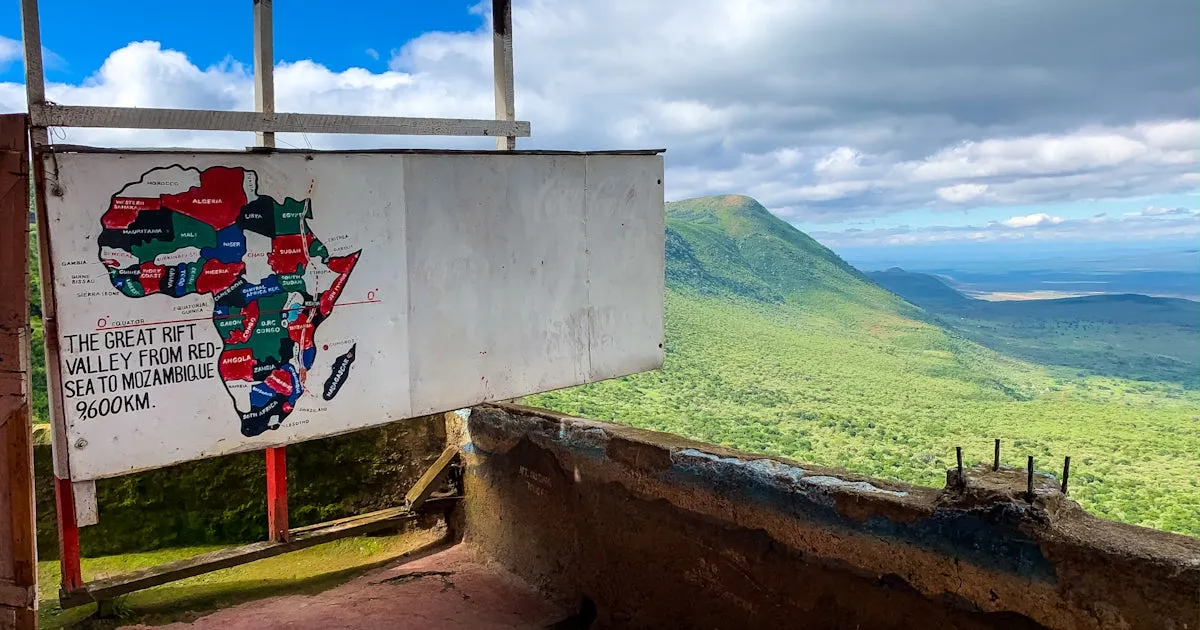
Your first day on this amazing safari commences with an early pick-up from your Nairobi hotel or Nairobi Airport. As dawn paints the sky with hues of gold and crimson, you’ll depart from the bustling city, journeying along the Nairobi-Nakuru highway. The road unwinds through the picturesque Great Rift Valley, where a stop at the Great Rift Valley Viewpoint offers a panoramic vista that stretches into eternity. The drive is an adventure in itself, with the landscape changing from urban sprawl to open plains dotted with Masai Mara’s distinctive acacia trees.
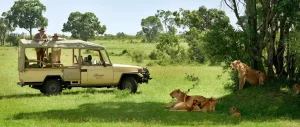
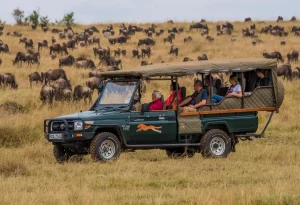
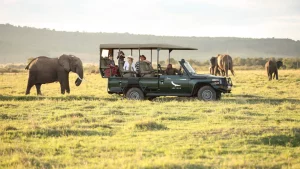
Arrival at the Masai Mara Game Reserve is timed perfectly for an afternoon game drive, allowing you to dive straight into the heart of the reserve’s incredible wildlife viewing. The 4×4 comfortable safari pop-up vehicle, your chariot, navigates the rolling grasslands, bringing you face to face with some of Africa’s most iconic creatures.
You get the chance to see wild animals, only seen when watching Big Cat diaries, during the game drives in rugged-all-wheel-drive vehicles. As the sun dips low, painting the Masai Mara National Park in shades of amber and ochre, your first of 3 days Masai Mara safari in this unparalleled safari destination draws to a close.
Day 2: Full Day Exploration of Masai Mara National Reserve
With the first light of day, you’re back out in the Masai Mara Reserve for your second day of the 3 days Masai Mara safari tour. The cool morning air provides a perfect time for spotting the big cats as they finish their nocturnal hunts. The day is yours to explore, with a full day game drive offering an uninterrupted opportunity to witness the mara’s diverse wildlife.
Lunch is a picnic amidst the wild, an experience that etches itself into memory, surrounded by the vastness of the African savanna. For those with a taste for adventure, the option of a hot air balloon flight provides a bird’s eye view of the Masai Mara National Reserve. It is a vantage point like no other for watching the mara river and its surroundings unfold below, especially when you book our wildebeest migration Kenya safaris during the peak season.
Alternatively, a visit to a Maasai village offers a glimpse into the rich cultural heritage of the Maasai people, adding a profound human connection to the natural wonders of the day.
Day 3: Sunrise Game Drive and Return to Nairobi
The final chapter of your 3 day Masai Mara safari includes:
- A pre-dawn departure for sunrise game drives to catch the last of big cats and other animals
- A last chance to catch a glimpse of the elusive wildlife as they stir with the day’s first light
- A hearty breakfast after the game drives in Maasai Mara National Park
- The journey back to Nairobi from Masai Mara Reserve to Nairobi hotel or Nairobi airport
The return trip is a time of reflection, the landscapes passing by the window a moving portrait of your 3 days of Masai Mara safari memories. Your arrival back in Nairobi by early afternoon marks the end of your memorable journey through the Masai Mara Game Reserve.
The sights, sounds, and emotions of the last three days converge into a vivid mosaic of memories that will stay with you long after you’ve left the Mara’s embrace.
Accommodation Options in Masai Mara
As dusk settles over the Masai Mara National Park, the question of where to rest your head becomes as important as the day’s sightings. The accommodation options within the Masai Mara National Reserve are as diverse as the wildlife, letting you spend your night at lodges or tented camps. Whether you’re seeking the thrill of sleeping under canvas or the comfort of a lodge with panoramic views, there’s a perfect fit for every preference and budget.
Each lodging choice comes with its unique set of experiences and amenities. Opt for a tented camp and you might find yourself dining al fresco under the African sky, or choose a lodge and enjoy cultural performances by local Maasai tribespeople. Sustainability and community engagement are often at the heart of these establishments, with many staff members hailing from the surrounding masai country, adding a layer of authenticity to your stay.
Budget Tented Camps
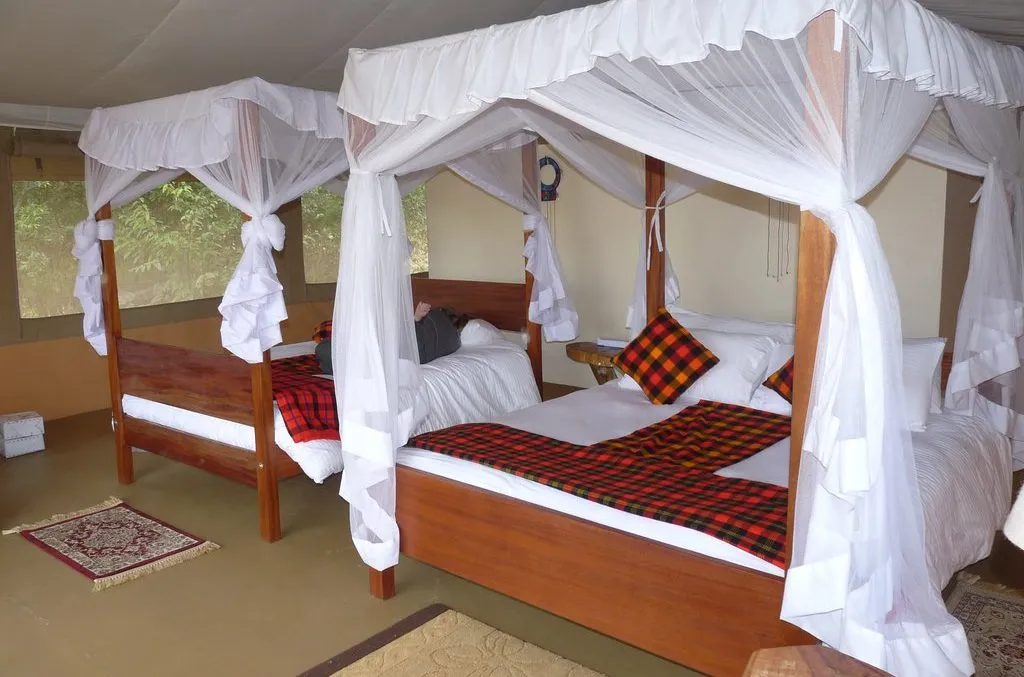
The budget-conscious adventurer need not sacrifice comfort or experience. Masai Mara’s budget tented camps, including Enkorok Mara Camp, offer a harmonious blend of the essential amenities and the rugged allure of the wild. With prices ranging to accommodate various budgets, these camps provide choices between en-suite or shared facilities, some even boasting the luxury of hot showers.
The settings of these camps are as varied as their prices, from the riverbanks with hippos grunting in the distance to the slopes of the Oloolaimutia Hills with their expansive views of the mara safari. Some camps focus on supporting local communities, others are perfectly positioned for those traveling independently or in overland trucks. Though the accommodations are termed ‘budget,’ the experiences they offer are rich and fulfilling.
Mid-Range Lodges
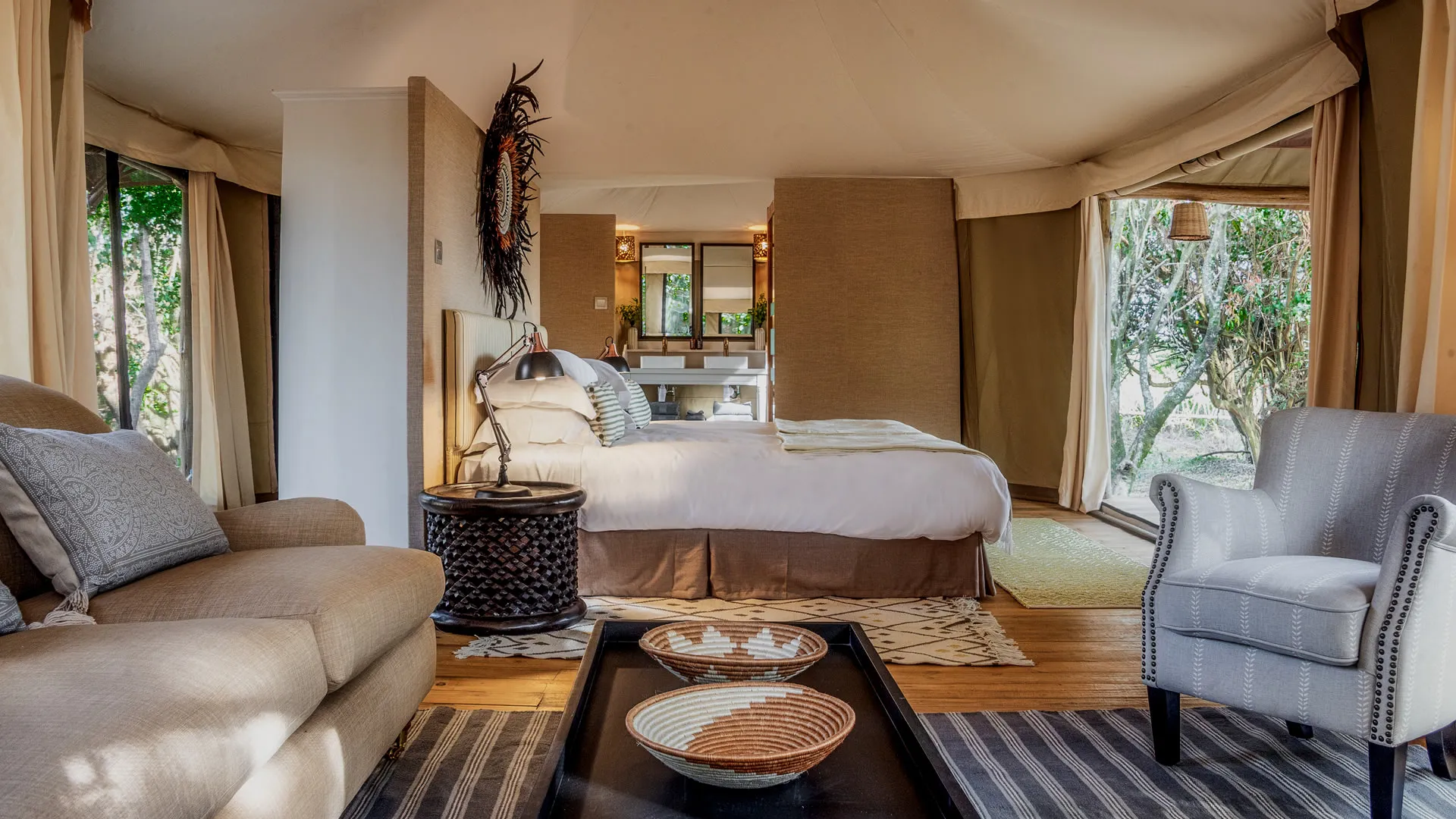
For those looking for a touch more comfort, mid-range lodges in the Masai Mara provide the perfect balance between luxury and affordability. These lodges, such as Ilkeliani Camp, Ol Moran Tented Camp and Mara Sopa Lodge, offer cozy accommodations with modern facilities and stunning views of the mara plains. With amenities like restaurants and wildlife-viewing watering holes, guests can enjoy the splendors of the Masai Mara without compromising on comfort.
These lodges serve as a haven after a day filled with game drive, allowing you to relax on a private veranda or take a refreshing dip in a pool. The proximity to park gates and the great rift valley escarpment ensures that the beauty of the Masai Mara is always within reach, and the friendly service ensures your stay is as smooth as it is memorable. Additionally, the convenient location makes it easy to manage park entrance fees.
Luxury Safari Lodges
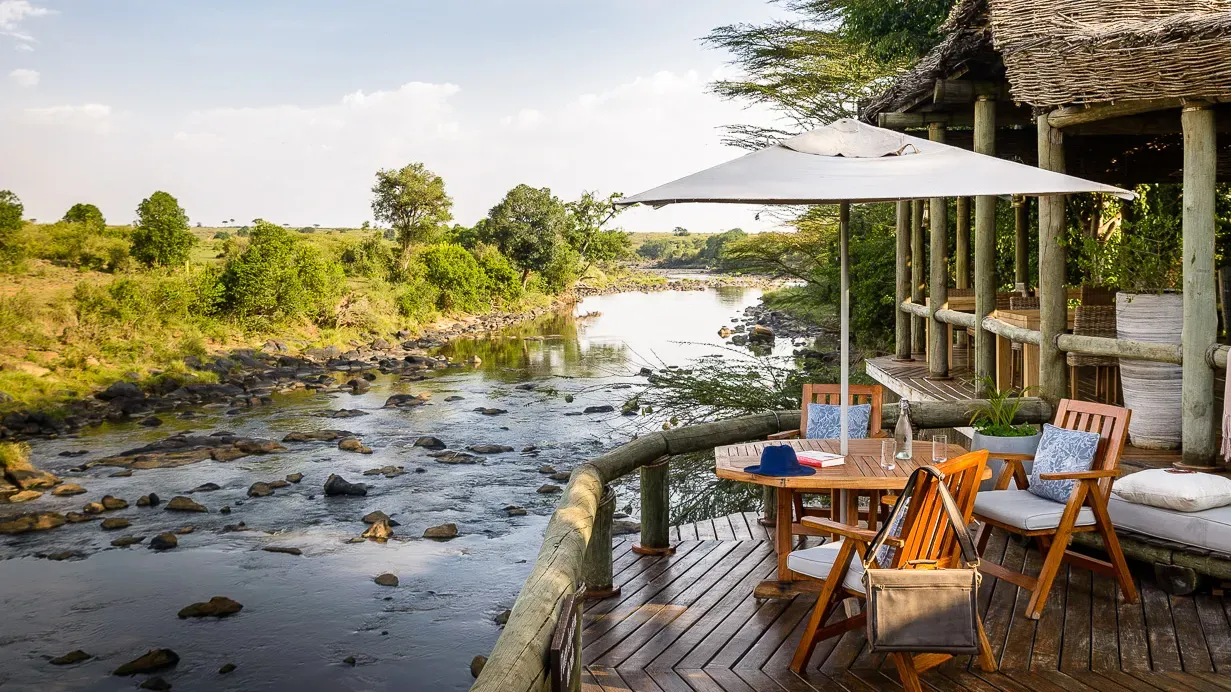
For the ultimate indulgence, luxury safari lodges in the Masai Mara offer an experience that transcends the ordinary. Think private verandas, infinity pools, and glass-fronted suites that immerse you in the wilderness without leaving the confines of your room. From the exclusive Mahali Mzuri to the high-end suites of Angama Mara and Sanctuary Olonana Safari Lodge, these lodges redefine the concept of safari luxury.
The allure of these lodges extends beyond the accommodations. They provide an all-encompassing tour experience, where every detail is meticulously crafted for your enjoyment. Whether you’re sipping on a sundowner overlooking the mara river or embarking on a game drive with a private guide, luxury lodges like Mara Plains Camp and AndBeyond Bateleur Camp promise an unforgettable journey through the Masai Mara’s rich tapestry of landscapes and wildlife.
Wildlife Encounters: The Big Five and More
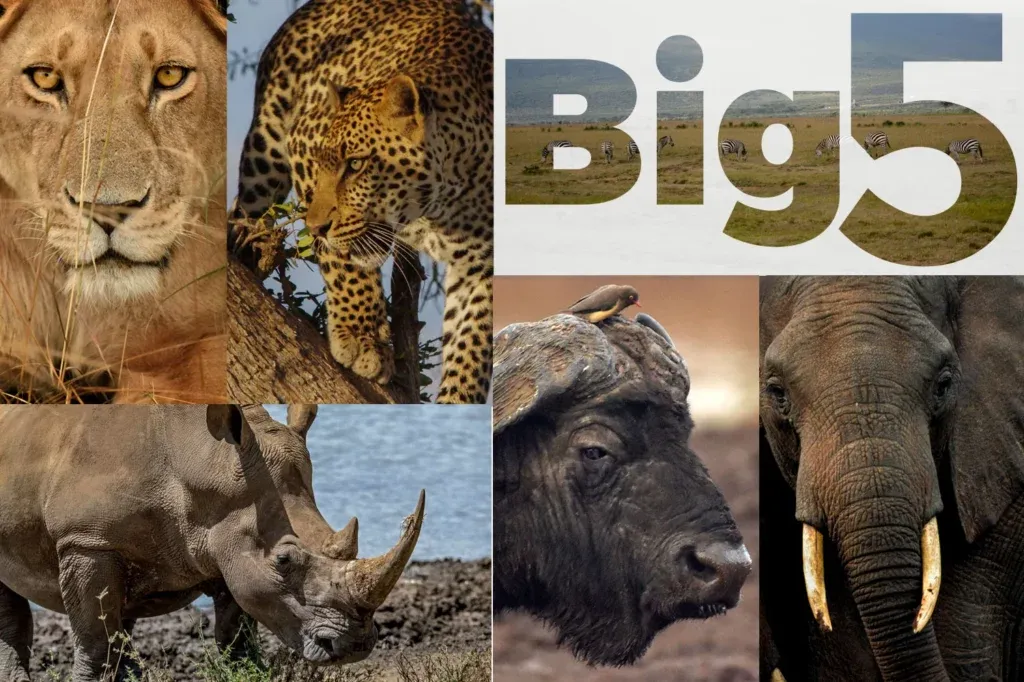
In the heart of the Masai Mara, the pulse of the wild beats strong. It’s a land where the illustrious Big Five roam, drawing safari-goers from around the globe. The lion, elephant, rhino, leopard, and buffalo are more than just animals here; they are the soul of the savanna, each with a story to tell and a spectacle to behold. The masai mara national reserve’s reputation as a premier wildlife viewing destination is well-earned, with these iconic species playing a central role.
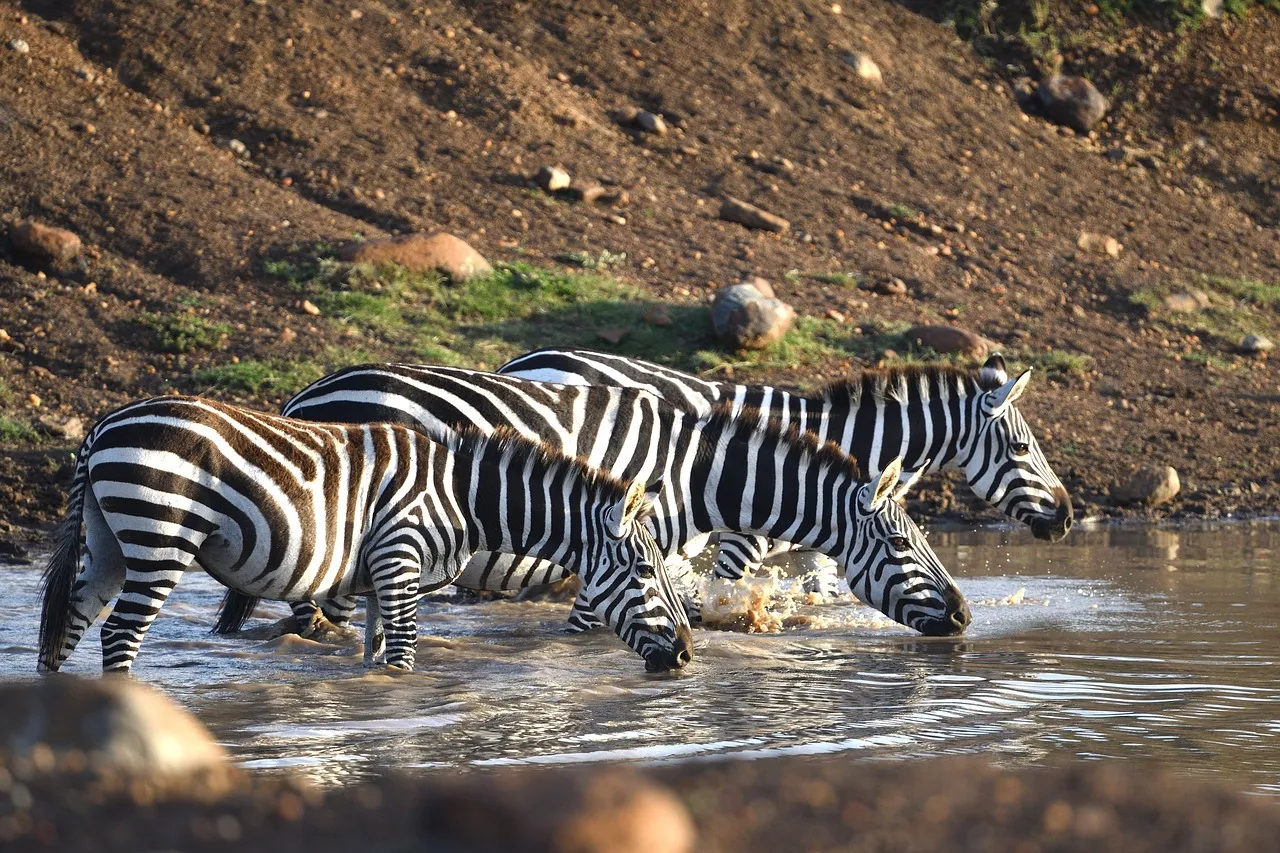
But the Masai Mara’s wildlife tapestry is woven with more than just the Big Five. A safari here reveals the ‘Big Nine,’ including:
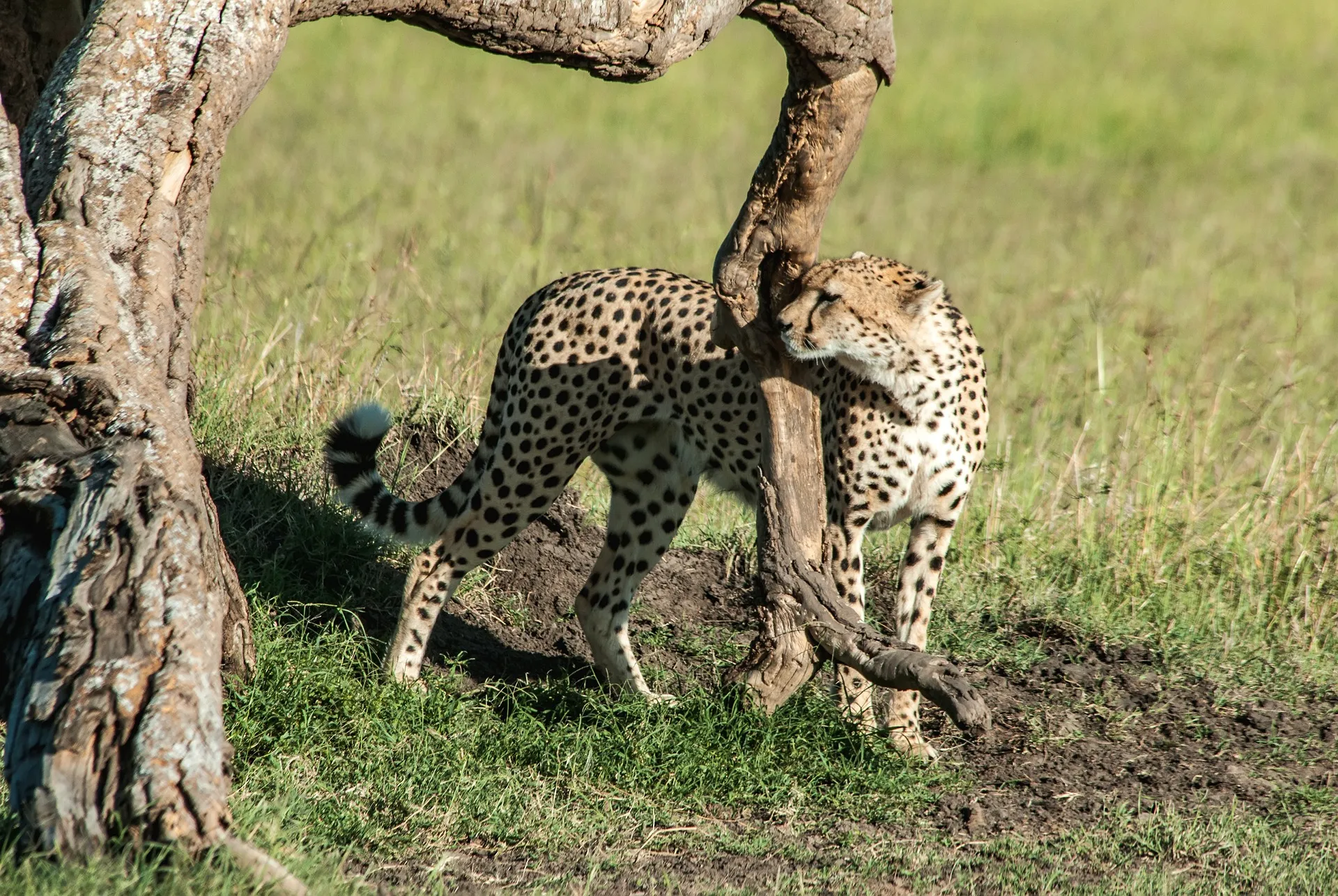
- The cheetah
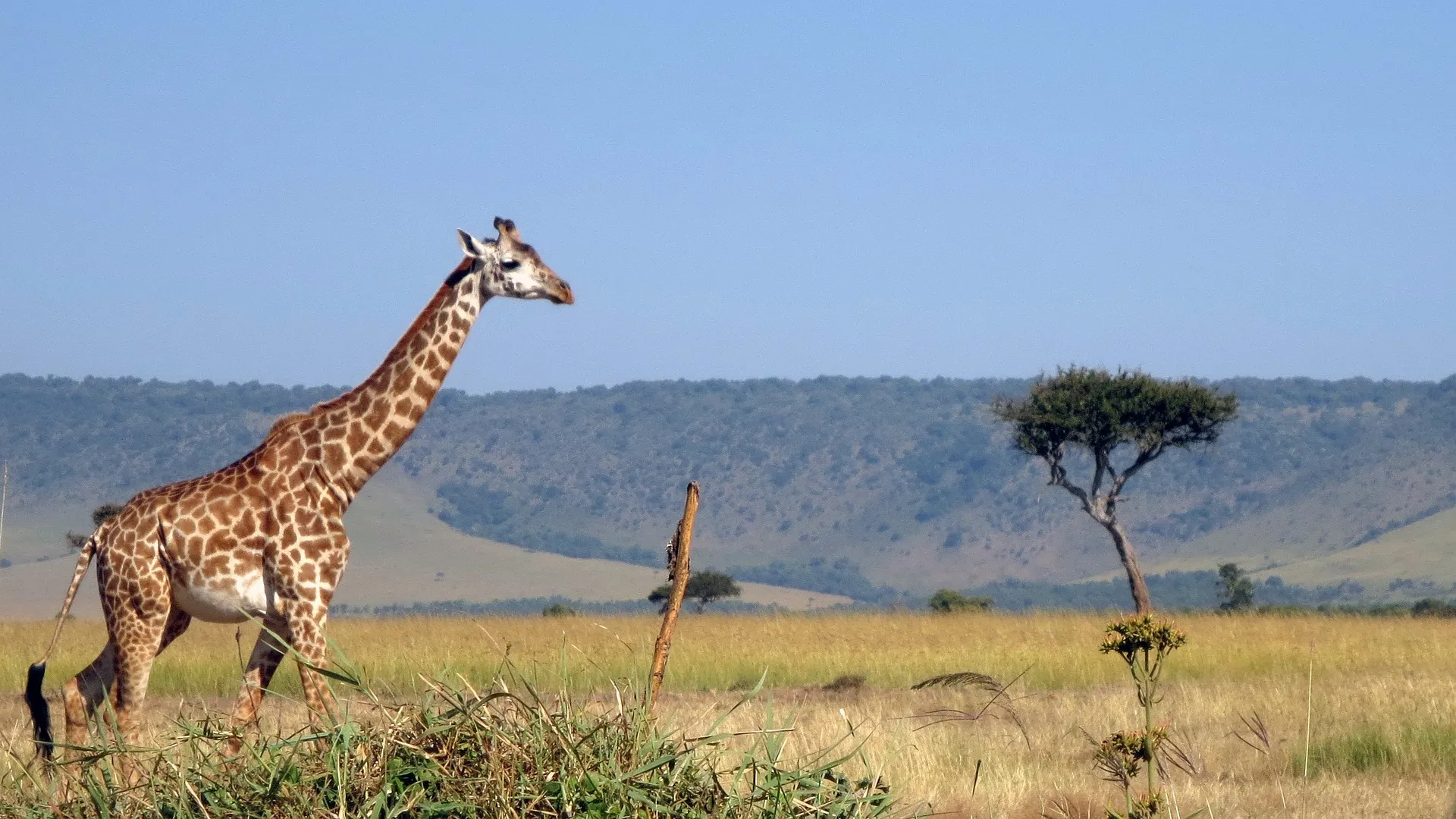
- The giraffe
- The hippopotamus
- The zebra
Each adding their unique strokes to the vibrant canvas of the reserve. From the speed of the cheetah to the grace of the giraffe and the might of the hippo, the Masai Mara offers a wildlife viewing experience that is as diverse as it is abundant.
The “Big Five”
The term “Big Five” harkens back to the days of big game hunting, referring to the five most formidable animals to track on foot. Today, it symbolizes a quintessential goal for wildlife enthusiasts on a Masai Mara safari. The Masai Mara’s Big Five animals are:
- Lions
- Elephants
- Buffalos
- Leopards
- Rhinoceroses
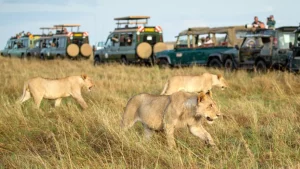
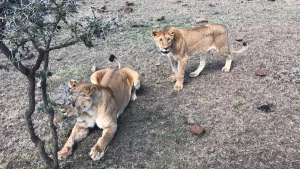
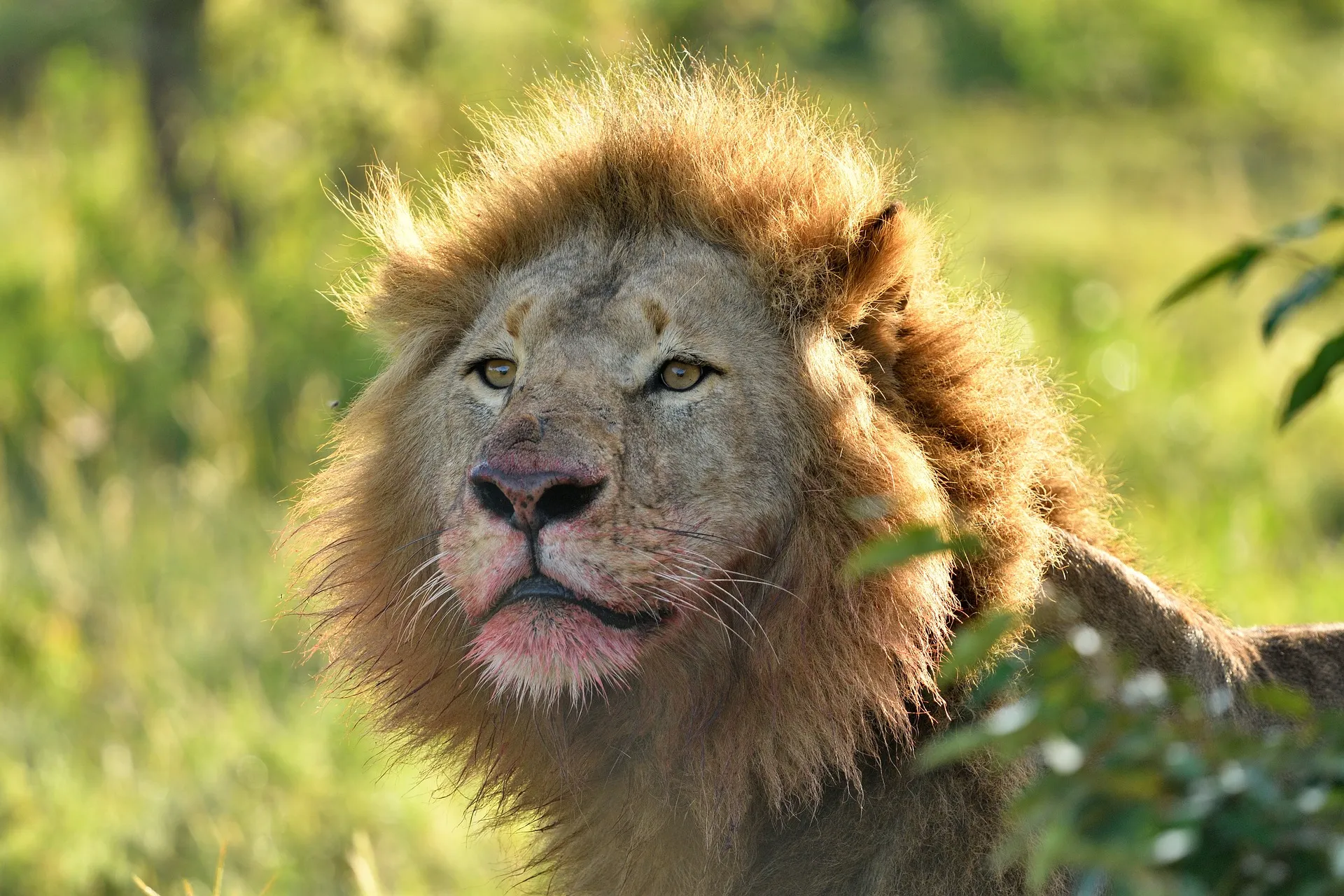
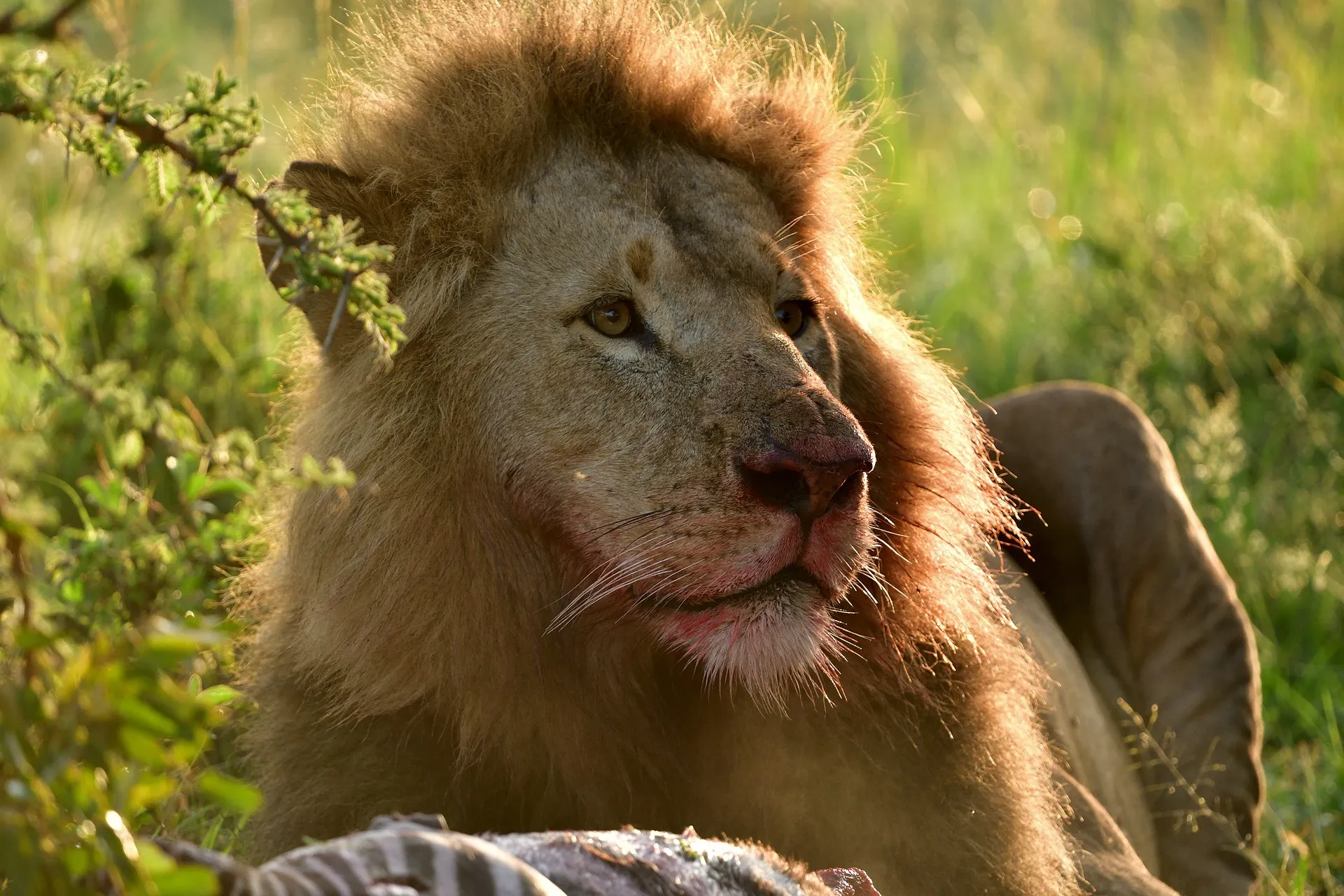
The Masai Mara’s lions are among the top attractions, with their regal presence and the drama of their social dynamics captivating visitors’ imaginations.
In contrast, the Big Five of African wildlife offer a range of fascinating behaviors and interactions to observe:
- The African lion, with its majestic mane and powerful roar, is the king of the savannah.
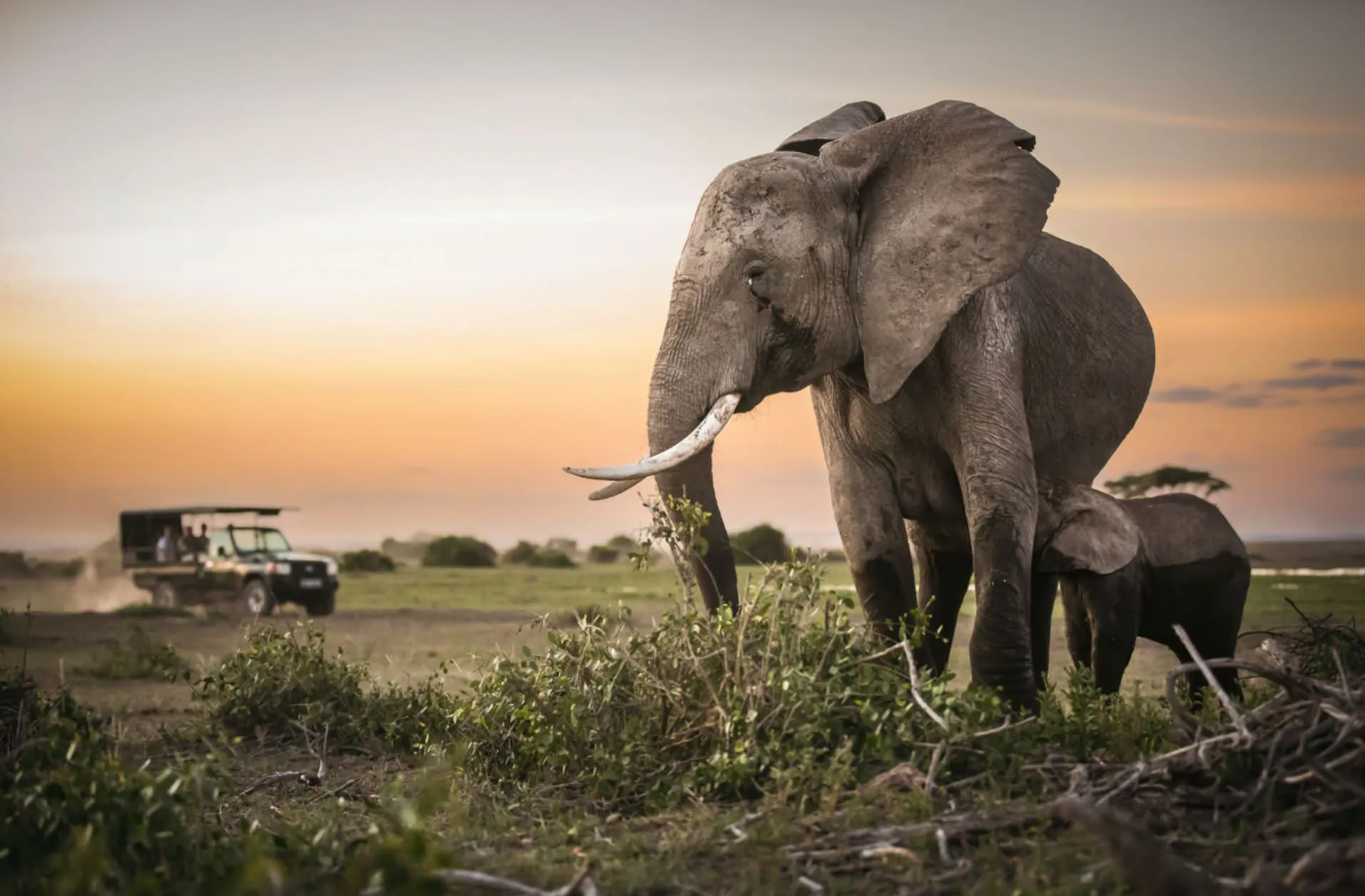
- The African elephant, known for its intelligence and strong family bonds, provides a more serene spectacle.
- The elusive black rhino, with its hooked lip and solitary nature, adds a touch of mystery to the tour experience.
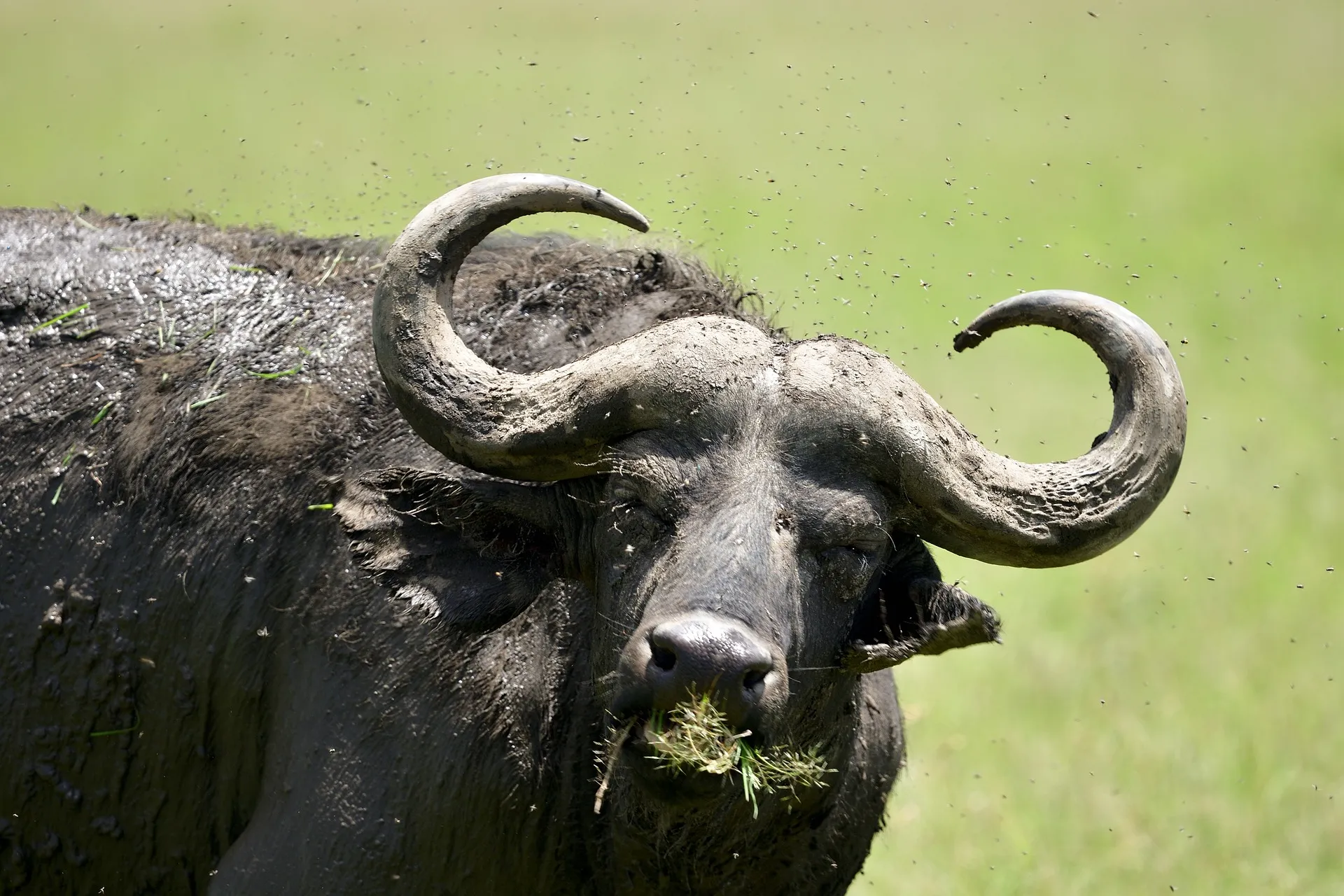
- The unpredictable African buffalo can be both formidable and fascinating to watch.
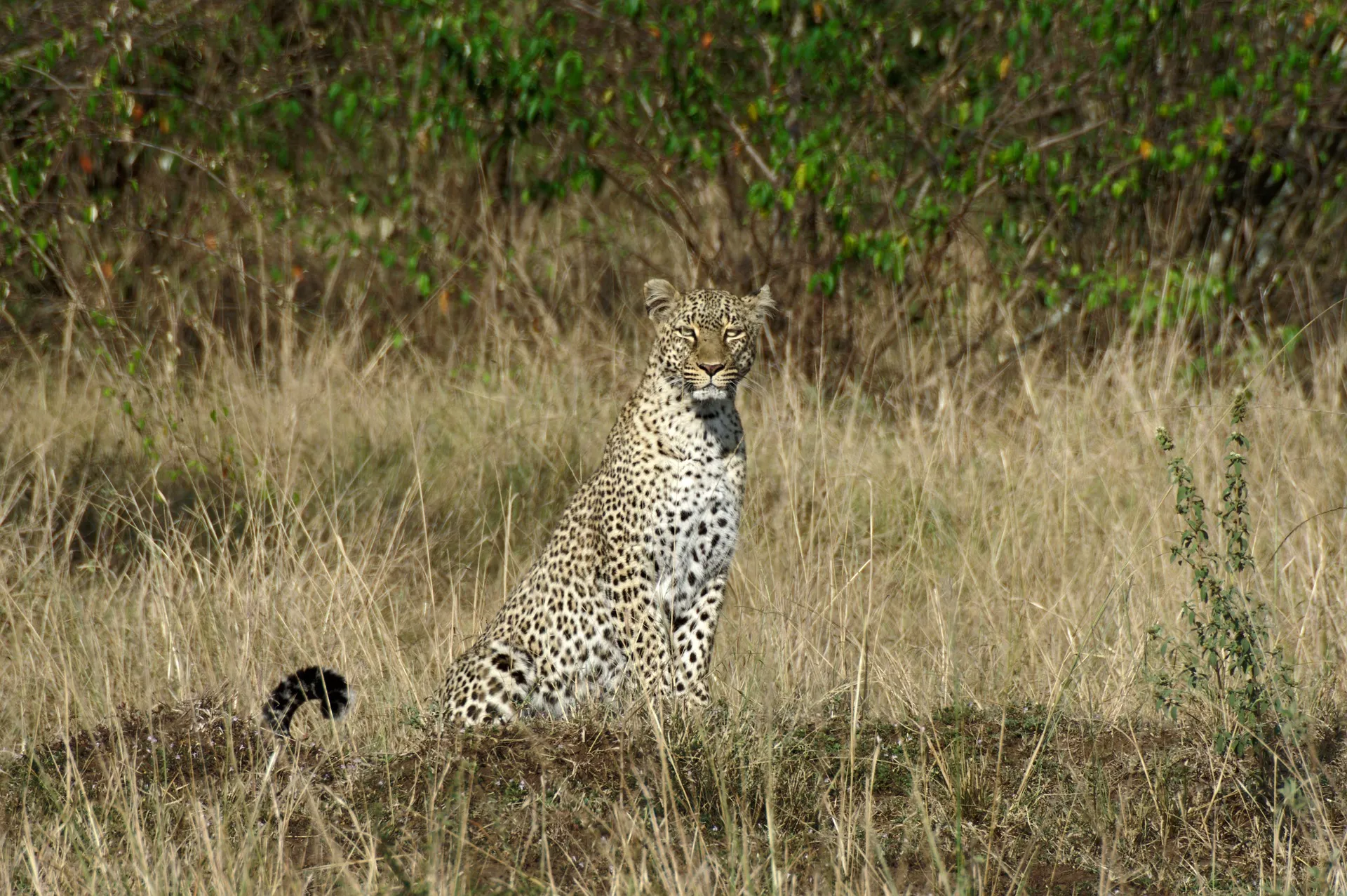
- The stealthy leopard, with its ability to blend into its surroundings, completes the Big Five.
The Masai Mara, managed by the Mara Conservancy, with its dense population of these iconic species, offers ample opportunities to witness these majestic animals in their natural habitat during Masai Mara safaris.
Unique Species and Attractions
Beyond the Big Five, the Masai Mara is a treasure trove of biodiversity. The reserve shelters an array of unique mammals, including:
- The insectivorous aardwolf
- The graceful Masai giraffe
- The hefty hippopotamus
- The African hare
- The banded mongoose
These creatures contribute to the richness of the Mara’s ecosystem, offering moments of delight and surprise during safari tours.
Avian enthusiasts are equally rewarded, with over 500 bird species adorning the Masai Mara’s skies. The regal African fish eagle, the elegant African grey hornbill, and the distinctive Abdim’s stork are just a few of the feathered inhabitants that add color and song to the safari experience. Each wildlife encounter, whether with the common zebra or the endangered pangolin, is a testament to the Masai Mara’s status as a sanctuary for diverse wildlife and a premier safari destination.
The Great Migration: Witnessing Nature’s Greatest Spectacle
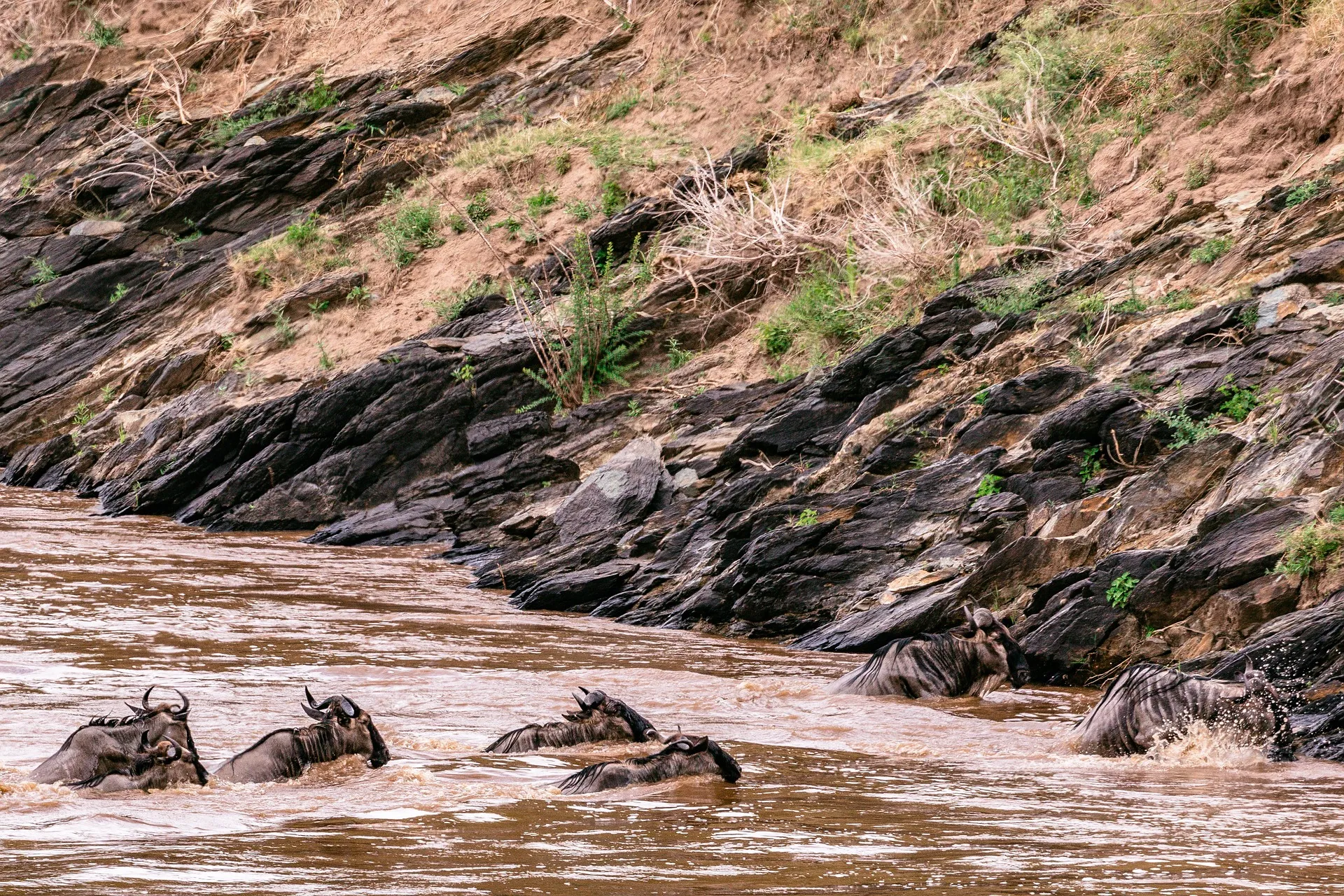
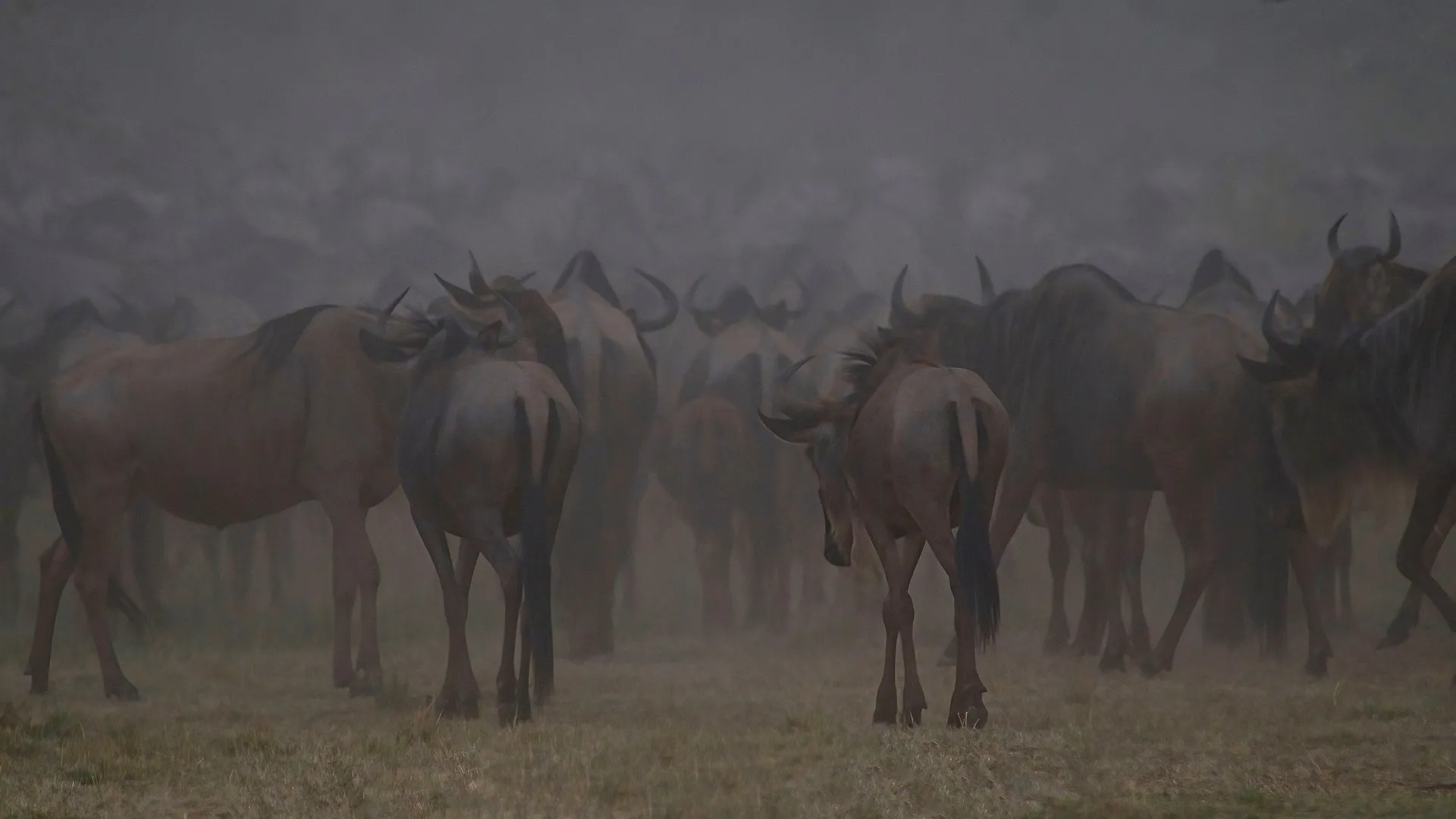
The Great Migration is a phenomenon that epitomizes the essence of the Masai Mara, a spectacle so grand it is often dubbed “the greatest show on Earth.” Over 1.5 million wildebeests, alongside hundreds of thousands of zebras and antelopes, traverse the Serengeti-Mara ecosystem in an epic journey driven by primal instincts and the search for sustenance. The sight of these herds on the move, a relentless wave of life, is a defining moment of any Masai Mara safari.
The most dramatic chapter of the wildebeest migration journey unfolds at the Mara River, where the herds face the perilous crossing, braving crocodiles and treacherous currents. Witnessing this struggle for survival and the raw tenacity of life is a transformative experience, a testament to the resilience of nature. The timing of the migration is as unpredictable as the weather, but with planning and a touch of luck, safari-goers can find themselves in the midst of this breathtaking event, a memory that will linger for a lifetime. The best time for Mara river crossing is July to Aug, which also sees the hike in tour price and park entrance fees to USD 200 from USD 100 of the low season.
Cultural Experiences: Meeting the Maasai People
The Masai Mara is more than just a game viewing wildlife sanctuary; it is also the heartland of the Maasai people, whose culture is as rich and diverse as the ecosystem they inhabit. A Masai Mara safari is incomplete without immersing oneself in the traditions of the Maasai, from their distinctive attire and dance to their pastoral way of life. The opportunity to visit a Maasai village and witness the iconic jumping dance, or to engage in a cultural exchange with the locals, adds a profound layer of human connection to the tour experience.
The Maasai’s relationship with their land and cattle is a story of coexistence and resilience. Their societal structure, defined by age-sets, dictates the roles and responsibilities of each member, ensuring the continuity of their traditions amid the pressures of the modern world. The Maasai’s manyattas, constructed from natural materials, stand as a symbol of their sustainable lifestyle, offering a glimpse into a way of life that has endured for centuries.
Travel Tips and Essentials
Preparing for a Masai Mara safari is as much about anticipation as it is about practicality. The right preparation can make the difference between a good safari and an amazing safari, ensuring that every moment is savored without distraction. Here are some essential steps in your safari preparation:
- Pack lightweight, breathable clothing in neutral colors
- Stay hydrated with a reusable water bottle
- Protect yourself from the sun with hats and sunscreen
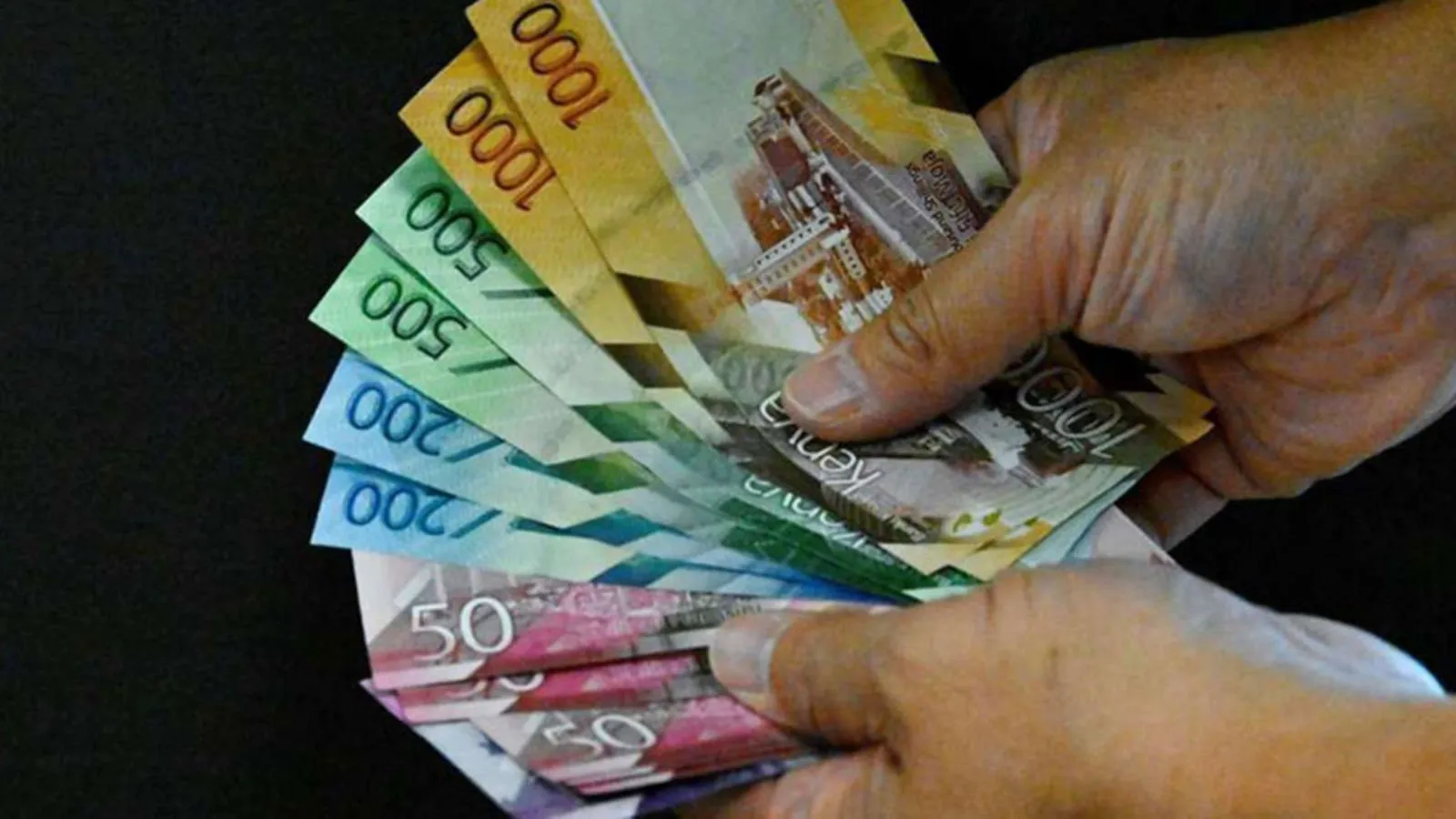
- Carry enough park entrance fees per person – low season USD 100 per person & high season USD 200 per person
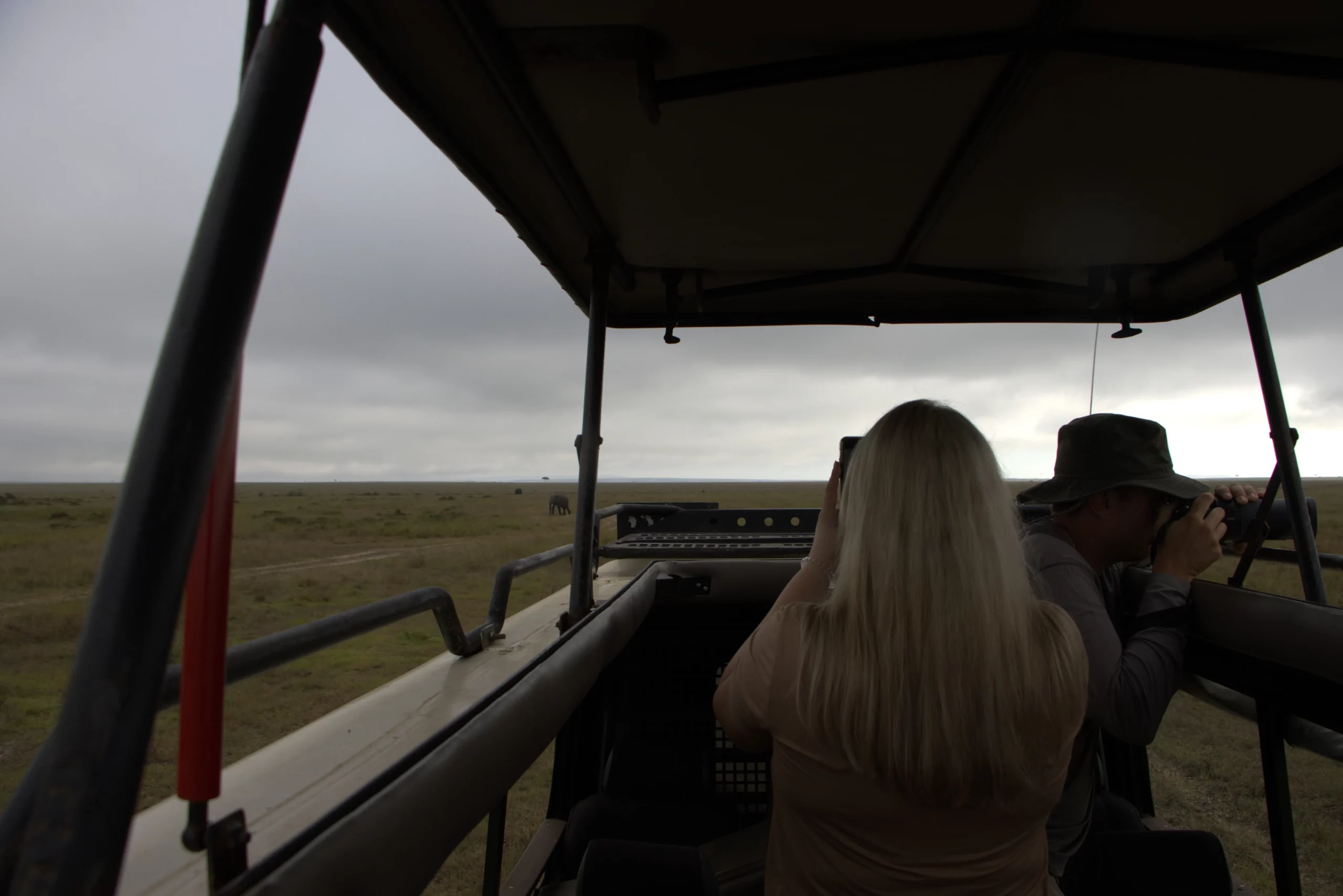
Equally important are health precautions, such as vaccinations and anti-malaria medication, and practical items like a first-aid kit and insect repellent. Bringing binoculars enhances your game viewing, while a smartphone or camera allows you to capture and share the memories you’ll make. Reading material about the Masai Mara can enrich your understanding, and a travel adapter will keep your devices charged and ready for each new day’s adventures.
Packing Suggestions
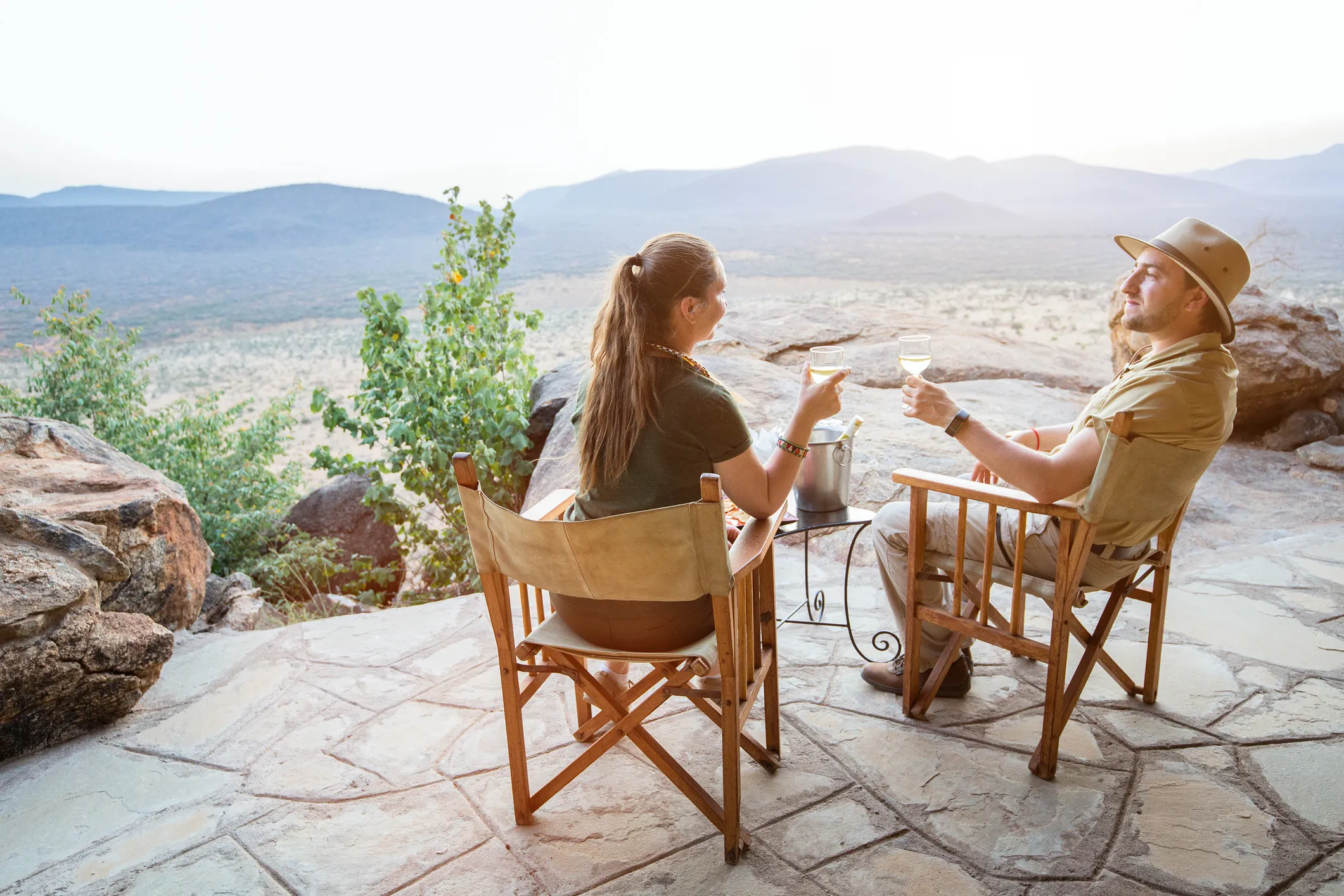
Embarking on a safari requires thoughtful packing, where comfort meets utility. Layered clothing is your best ally against the Masai Mara’s fluctuating temperatures, allowing you to peel off or pile on as needed. Start with a light, breathable shirt with long sleeves and long pants that can convert to shorts—this versatile attire not only protects from the sun but also from insect bites. A light jacket becomes indispensable when the African chill greets you during early morning drives or when the evening breeze whispers across the Mara plains.
Footwear is just as critical as clothing; sturdy, comfortable hiking shoes are a must for nature walks and any unexpected adventures off the beaten path. Shield yourself from the equatorial sun with high SPF sunscreen and a wide-brimmed hat that covers your neck, and remember to pack a flashlight or headlamp for safe nighttime navigation around your camp or lodge.
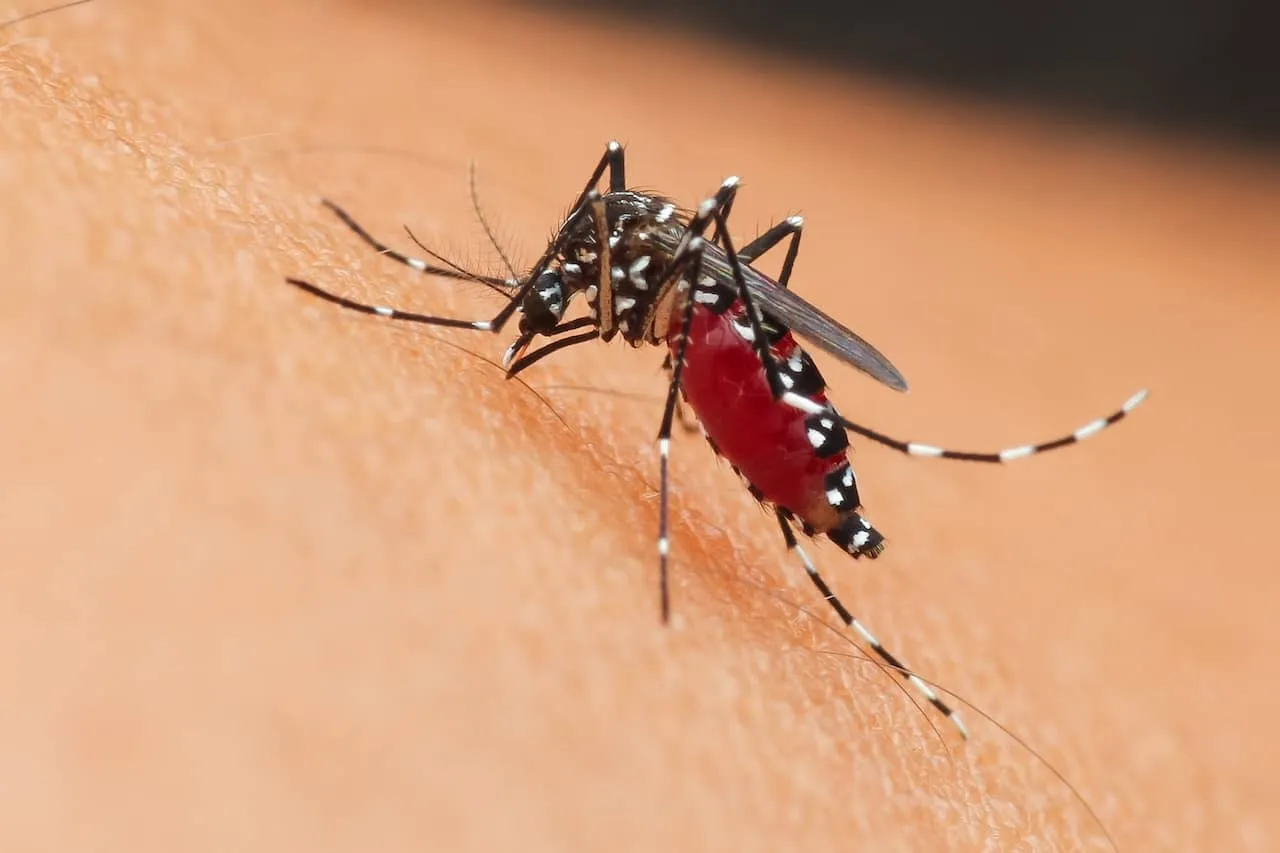
As the evening falls and the chorus of the nocturnal wild begins, insect repellent will be your shield against the mosquitoes that thrive in the cool night air.
Health Precautions
Your well-being is paramount during your journey through the Masai Mara and we only wish you remain healthy during your Kenya safari. Before setting foot in Kenya, consult with a health professional to ensure you’re vaccinated against yellow fever—a requirement that may be enforced upon entry into the country. Malaria prophylaxis is another essential consideration, as the mosquitoes in the reserve are carriers of the disease. Staying proactive with preventative medication is a simple step that can save you from complications later on.
Drinking safe water is crucial; always opt for safari bottled drinking water or treated water to avoid waterborne illnesses. Additionally, securing comprehensive travel insurance can provide peace of mind, especially coverage that includes medical evacuation, should a serious health issue arise while you’re immersed in the remote beauty of the African savanna.
Photography Tips
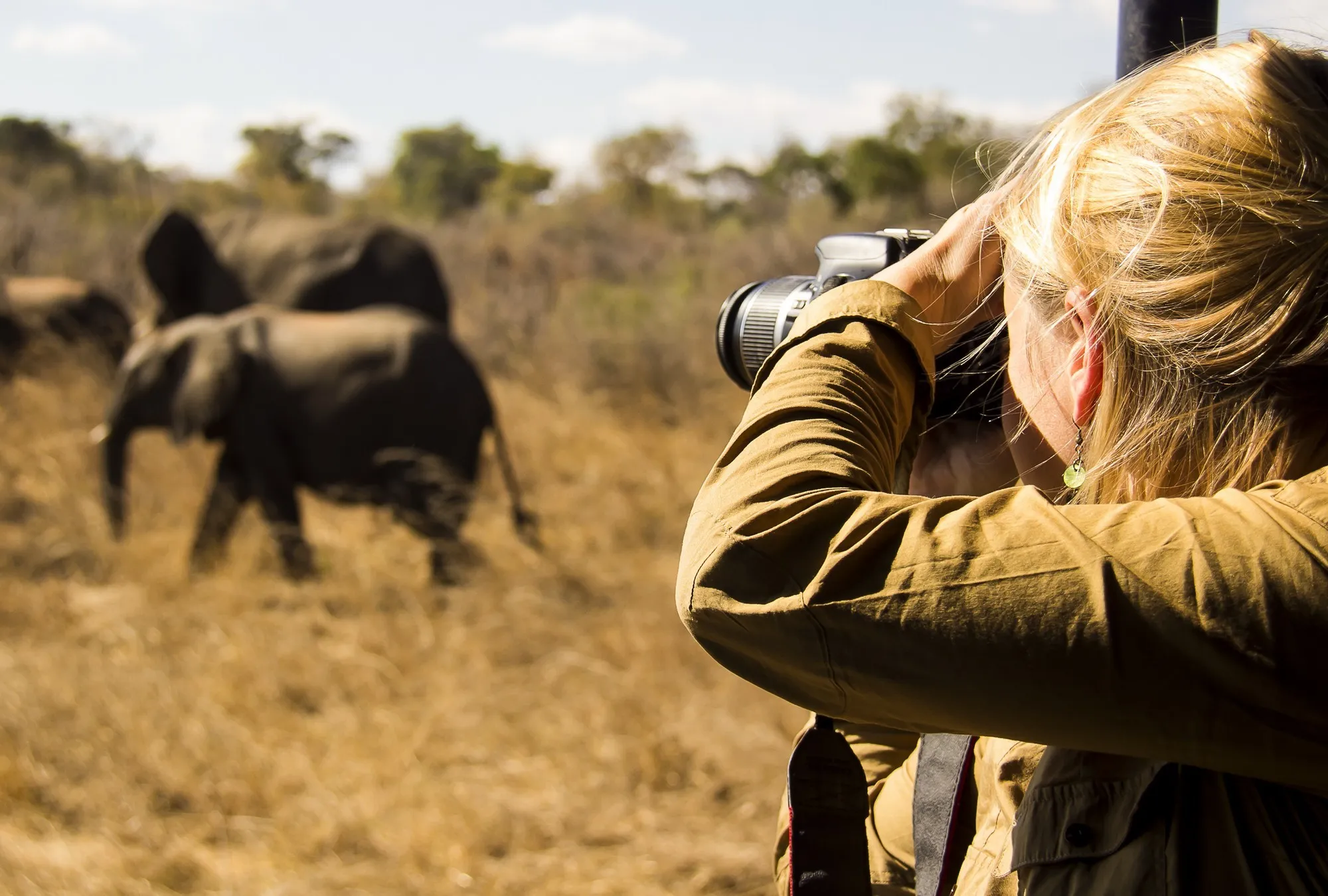
A Masai Mara Kenya safari is a photographer’s dream, offering opportunities to capture the majesty of wildlife and the splendor of landscapes. To make the most of your photography experience, aim to shoot during the golden hours—the soft, warm light of early morning and late afternoon is ideal for creating ethereal images. Employ the rule of thirds to compose your shots, positioning your subjects off-center for a more dynamic and engaging photograph.
A sturdy tripod is an invaluable tool, particularly when using long lenses to photograph distant wildlife. Focusing on the eyes of animals can breathe life into your photos, creating a connection that speaks through the image. Don’t hesitate to capture the myriad behaviors of the Mara’s inhabitants, from the intense focus of a hunt to the tender moments shared between a mother and her young. These snapshots of life in the wild will be the treasures that remind you of the safari long after you’ve returned home.
Customizable Safari Options
Masai Mara Kenya safaris can be as unique as the individual embarking on them. For those desiring a more personalized touch, a private safari tour offers the luxury of safari vehicles, such as a 4×4 Jeep safari vehicle outfitted with amenities like a portable fridge and Wi-Fi connectivity. With a private guide, your safari becomes an intimate journey, tailored to your preferences, whether it’s focusing on specific wildlife or exploring secluded corners of the Mara like Mara Triangle.
The customization options extend to the skies with hot air balloon rides or fly-in safari, to the ground with unlimited game drives, and even to the finer details like your choice of accommodations. The inclusion of services like the flying doctors medical emergency cover ensures your health and safety are prioritized, allowing you to immerse yourself fully in the tour experience.
The cost or tour price varies, but the value of a safari crafted to your desires is immeasurable, ensuring that your time in the Masai Mara is truly unforgettable.
Summary & FAQs of 3 Days Masai Mara Safari from Nairobi
As the sun sets on your Masai Mara adventure, you carry with you a kaleidoscope of memories—from the thrill of witnessing the Great Migration to the serenity of a sunrise over the savanna. The Masai Mara is more than just a safari destination.
It’s a journey into the heart of the wild, a place where the grandeur of nature is matched only by the richness of the cultural tapestry woven by the Maasai people. Whether you choose the simplicity of a tented camp or the luxury of a safari lodge, the Masai Mara promises an experience that is as diverse as the wildlife that calls it home. May the magic of the Mara stay with you, inspiring a lifetime of adventure and a deep appreciation for the natural world.
1. How much does it cost to go to the Masai Mara?
The cost to enter the Masai Mara Conservancy depends on several factors like hotel and vehicle used. With budget hotels like Enkorok Mara Camp, price is affordable while lodges or tented camps like Ilkeliani Camp can be a bit expensive. Your Kenya safaris to Maasai Mara Mara Triangle is more expensive as you get exclusive and service of personal nature in this area.
2. How long is the drive from Nairobi to Masai Mara?
The drive from Nairobi airport to Masai Mara takes about 6 hours, reaching one of the nearest entry gates on the Narok side of the reserve, such as Sekenani, Talek, or Oloolaimutia. The drive sees you pass the Great Rift Valley and into the mara for unlimited game drives.
3. How do I get to Masai Mara from Nairobi?
To get to Masai Mara from Nairobi, you can take the A104 Highway heading out from Nairobi city and onto the B3 just before the Limuru junction. If you’re leaving from Jomo Kenyatta International Airport, use the southern Bypass to connect to A104 at Kikuyu Town to avoid city traffic. Safe travels!
4. What is the best time of year to visit the Masai Mara for a safari?
The best time to visit the Masai Mara for a safari is during late July to August and from the last two weeks of October through early November to witness the Great Migration. However, the reserve offers great wildlife viewing throughout the year.
5. How much is the price per person at Ilkeliani Camp?
The price per person at Ikeliani Camp depends on when you travel. For instance, for the low season, the cost starts from around USD 300 per person, mid-season from USD 450 per person, while the peak season starts from USD 600 per person. The cost per person can be higher for solo travelers with a single room going for around USD 700 per person.
6. Can I participate in any cultural activities during my Masai Mara safari?
Yes, you can participate in cultural activities during your Masai Mara safari by visiting Maasai villages to experience traditional dances and learn about their pastoral lifestyle. Enjoy immersing yourself in their rich cultural heritage.